Biological cycle
Biological materials can be designed to return safely to natural systems, helping nutrients move back into the soil rather than becoming waste.
Kanth London CPD introduction
A short introduction for architects, interior designers and specifiers. Explore how circular thinking changes the way we consider materials, products and the life of a specification.
Enable optional cookies in the cookie settings to play this video with the provider’s controls.
Kanth London
Ellen MacArthur Foundation
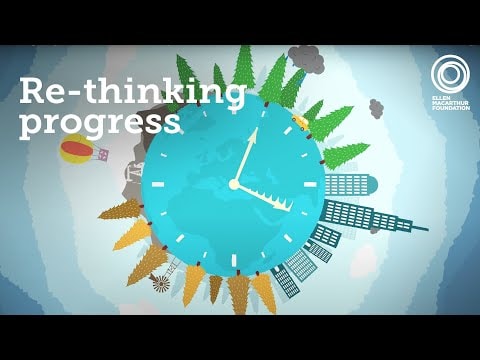
We're pleased to share the Ellen MacArthur Foundation's introduction to circular economy thinking, covering biological and technical cycles and designing for materials to stay useful.
Enable optional cookies in the cookie settings to play this video with the provider’s controls.
Ellen MacArthur Foundation
A linear economy takes materials, makes products and disposes of them at the end of their first use. Circular thinking asks a different question: how can products, components and materials remain useful for longer?
The Circular Economy CPD introduces the biological and technical cycles that support this shift, with practical relevance for architects and specifiers considering reuse, maintenance, disassembly and future change.
The two cycles
Biological materials can be designed to return safely to natural systems, helping nutrients move back into the soil rather than becoming waste.
Technical materials such as metals, polymers and alloys can be kept at their highest possible value through return, repair, reuse, recovery and regeneration.
For architects and specifiers
The course connects circular economy principles with the practical decisions behind a specification: choosing materials thoughtfully, allowing for maintenance, considering disassembly and understanding how products and components might be used again.
The Ellen MacArthur Foundation animation is shared here as an attributed educational resource for this introduction.
Explore circular principles for design and specification through our one-hour online CPD.
Continue the online CPD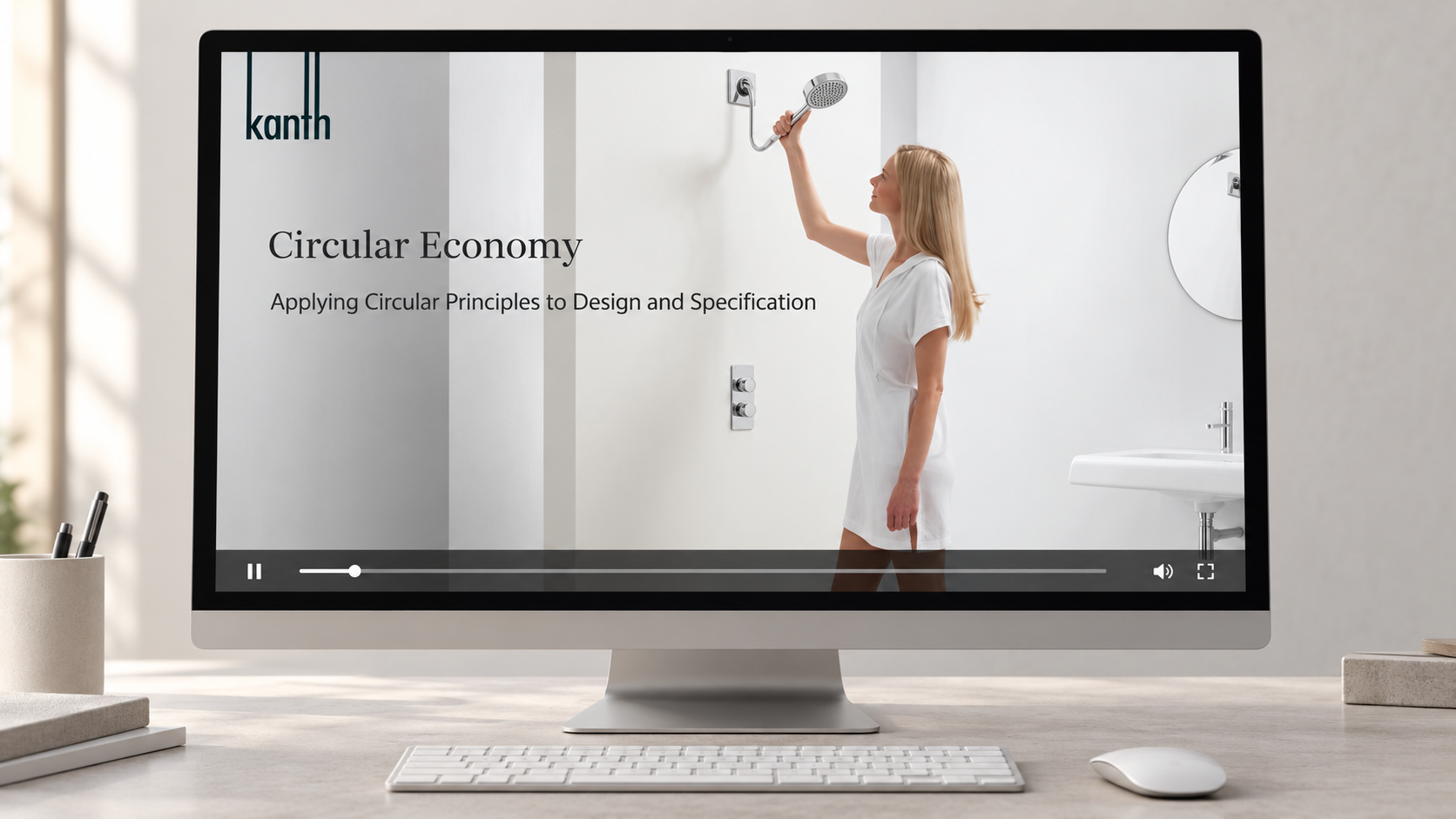
Continue learning
Take the introduction further through an in-person session, the one-hour online CPD, or a conversation about a live project or technical question.
Arrange a group CPD at your practice or at the Kanth showroom in Sloane Square. Get in touch to discuss dates and availability.
Arrange an in-person CPDCreate an account or sign in to complete the one-hour Circular Economy CPD, take the assessment and receive your certificate of completion.
Speak with us about your project or request technical information.
Discuss a project or technical questionAsk about a live online group CPD for your practice.
Discuss live online deliveryIt is a way of designing and organising products and systems so materials can remain useful through cycles of reuse, repair, regeneration or safe return.
Specification decisions influence the materials, products, maintenance needs and future options built into a project. Circular thinking helps those decisions account for what happens after first use.
No. These two short videos introduce the subject. Register for the separate one-hour online Circular Economy CPD to complete the learning and assessment.
Choose how you would like to continue learning.